

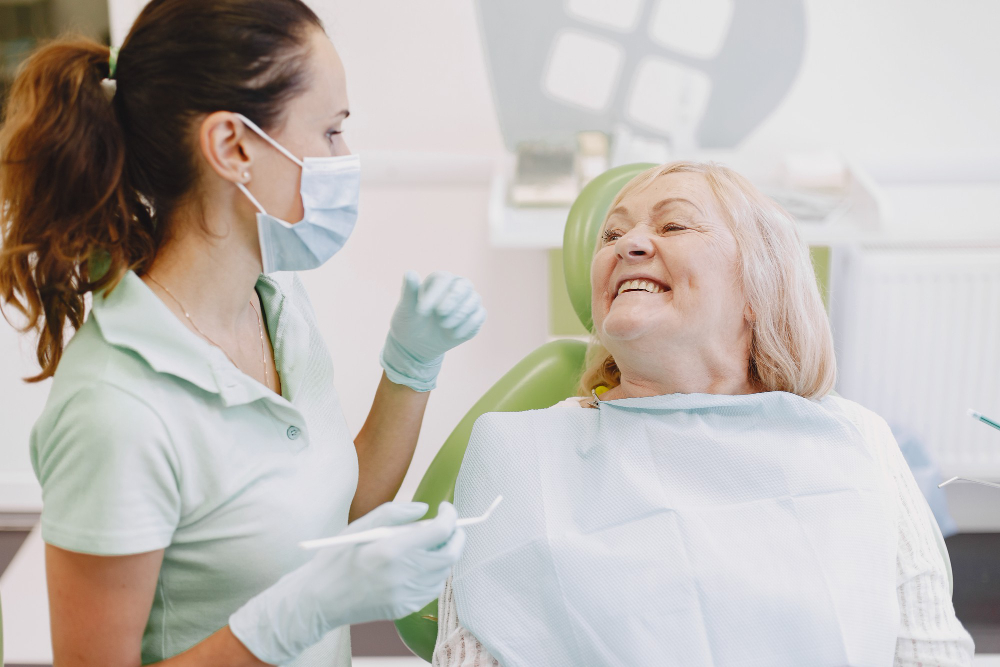
Introduction: The Importance of Oral Health in Senior Citizens
As we age, maintaining oral health becomes even more important. Good oral health in senior citizens helps prevent pain, infection, and other health problems. In fact, healthy teeth and gums support overall well-being. For this reason, regular dental care for elderly people is vital. Not only does it help you eat and speak comfortably, but it also boosts confidence and quality of life.
Common Oral Health Challenges in Aging
Older adults often face unique dental issues. For example, teeth may become weaker or more sensitive. Gums can recede, exposing roots. Additionally, dry mouth is common due to medications or health conditions. Some seniors may also notice changes in taste or trouble chewing. These challenges make oral hygiene tips for seniors especially important.
Symptoms and Warning Signs to Watch For
It is important to notice early signs of dental problems. Watch for these symptoms:
If you notice any of these, see a dentist soon. Early care can prevent bigger problems.
Causes and Risk Factors for Dental Issues in Seniors
Many factors increase dental risks as we age. For instance, years of wear and tear can weaken teeth. Some medicines cause dry mouth, which raises the risk of decay. Chronic diseases like diabetes can also affect oral health. Moreover, poor diet or smoking can make problems worse. Even dentures, if not cleaned well, may cause gum issues.
Diagnosis and Regular Dental Check-Ups
Regular dental check-ups are key for seniors. Dentists can spot problems early, even before you feel pain. During a visit, your dentist will check your teeth, gums, and mouth. They may also take X-rays to look for hidden issues. According to the CDC, seniors should see a dentist at least once a year. However, more frequent visits may be needed if you have ongoing problems.
Effective Oral Hygiene Routines and Lifestyle Tips for Seniors
Good daily habits help keep your mouth healthy. Try these oral hygiene tips for seniors:
In addition, ask your dentist about special tools or products for seniors.
Prevention Strategies and Dietary Recommendations
Prevention is better than cure. For example, eating a balanced diet supports healthy teeth and gums. Choose foods rich in calcium and vitamin D, like dairy or leafy greens. Limit sugary snacks and drinks, as they can cause decay. Instead, snack on crunchy fruits and vegetables. These help clean teeth and boost saliva. Also, regular dental care for elderly people lowers the risk of gum disease and tooth loss.
Treatment Options for Common Age-Related Dental Problems
Sometimes, seniors need treatment for dental issues. Common options include:
Your dentist will suggest the best treatment based on your needs.
When to Consult a Dentist
Do not wait for pain to see a dentist. Instead, schedule a visit if you notice:
Early care can prevent serious problems and keep your mouth healthy.
Conclusion
In summary, maintaining oral health as you age is essential for comfort and well-being. With regular dental check-ups, good hygiene, and healthy habits, seniors can enjoy strong teeth and gums for years. Consult a dental specialist for personalized oral health advice.